History and Background of the Probolinggo Museum
Origins and Establishment
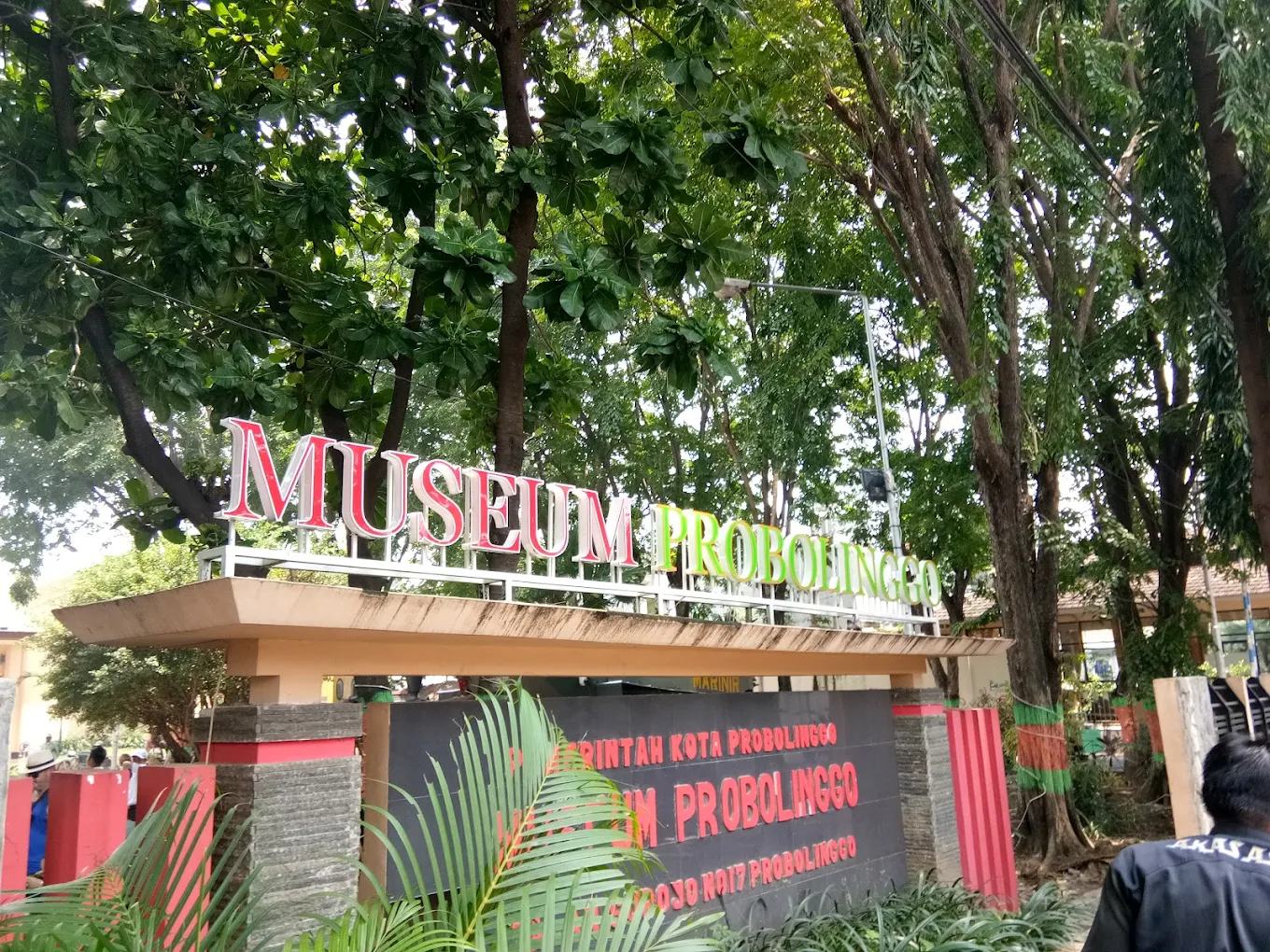
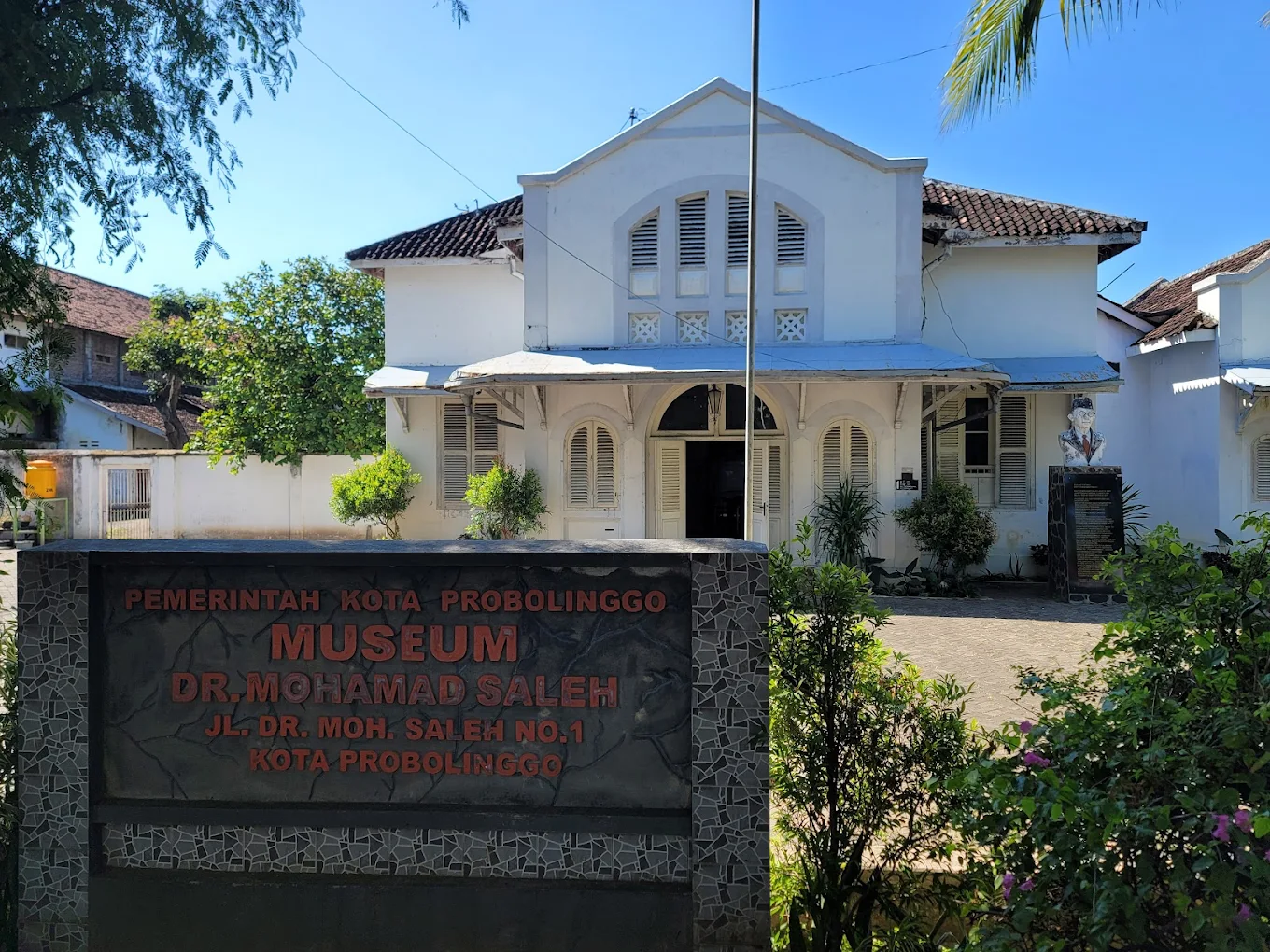
The Probolinggo Museum was established as a tribute to the history and culture of the Probolinggo region. The museum was born from the initiative of community leaders and the local government, who recognized the importance of preserving artifacts and historical stories hidden in every corner of the city. From the beginning, the museum has strived to collect various historical objects, ancient documents, and folklore that developed in the region.
Its founding was driven by a spirit of mutual cooperation and love for the homeland. The founders sought to create a public space that could serve as a gathering place for the community to learn, discuss, and appreciate Probolinggo's rich culture. This is what makes the Probolinggo Museum an important icon connecting the past with the present.
Development Over Time
Over time, the Probolinggo Museum has undergone several phases of development. Initially, the museum was only a modest collection of antiques and historical documents. However, as awareness of the importance of cultural preservation grew, the museum underwent various renovations and expanded exhibition space.
The changes to the interior and exterior design are a strategic move to attract both tourists and academics. With a modern layout while maintaining a traditional feel, the museum has successfully created a conducive atmosphere for learning and appreciating the richness of culture.
Cultural and Social Contributions
The existence of the PROBOLINGGO MUSEUM has made a significant contribution not only to preserving history but also to raising public awareness of local culture. In addition to serving as an educational tourist attraction, the museum also serves as a center for cultural activities such as seminars, workshops, and art performances. These activities are consistently designed to combine historical elements with contemporary demands, so that the younger generation can more easily appreciate the noble values that have existed since time immemorial.
Collections and Exhibitions at the PROBOLINGGO MUSEUM
Collection of Historical Objects
One of the main attractions of the PROBOLINGGO MUSEUM is its collection of historical objects on display. This collection includes various artifacts related to local history, from the kingdom era, the struggle for independence, to the colonial era. Objects such as traditional weapons, ancient household utensils, and historical documents bear silent witness to Probolinggo's long history.
Each artifact on display has a profound story. For example, a number of traditional weapons once used by regional warriors are accompanied by explanations of their historical context and use in defending regional sovereignty. Furthermore, a collection of ancient documents provides insight into the government system, traditions, and noble values upheld by our ancestors.
Traditional Arts and Crafts Exhibition
In addition to its collection of historical objects, the PROBOLINGGO MUSEUM is also known for its exhibitions of traditional arts and crafts. Here, visitors can enjoy various works of art that reflect the beauty of local culture, such as wood carvings, distinctive batik, and bamboo weaving. These exhibitions not only showcase finished products but also often include demonstrations of the production process, allowing visitors to appreciate the meticulousness and skill of local artists and craftspeople.
These exhibitions serve as a bridge connecting the past with today's innovations. Traditional techniques passed down through generations are continuously applied with contemporary creativity, resulting in timeless works of art. In fact, the museum frequently collaborates with local arts communities to hold workshops and training sessions to ensure traditional skills are preserved.
Special Exhibition Space and Temporary Exhibitions
To accommodate developments and innovations in the world of art and history, the PROBOLINGGO MUSEUM provides a dedicated space for temporary exhibitions. This exhibition space is designed to showcase temporary works, both the result of collaborations with local art communities and the participation of institutions outside the region. Through temporary exhibitions, the museum can continue to present the latest information and accommodate evolving trends in the world of culture and history.
Temporary exhibitions also provide opportunities for young artists and innovators to showcase their work in a more formal context. Thus, the museum serves not only as a repository of memories from the past but also as a laboratory for ideas and creativity for future generations.
Full Address: Jl. Suroyo No.25, Tisnonegaran, Kec. Kanigaran, Probolinggo City, East Java 67211
Jam Buka: OPENING HOURS: MON : 8AM-5PM TUE : 8AM-5PM WED : 8AM-5PM THU : 8AM-5PM FRI : 8AM-5PM SAT : 8AM-5PM SUN: 8AM-5PM
Tiket: IDR 15,000.00 / person
 |
|

.jfif)
.jfif)
.jfif)
.jfif)
.jfif)
.jfif)